What do you get from a responsive website design company?
You should get a working website that fits every screen, plus everything you need to run it without the company that built it. That means a page plan, designs checked at phone width first, built and tested pages, forms that reach you, and the logins, files and training to keep it going.
The design is the visible part. What separates a good engagement from a poor one is what arrives with it, and what happens to an enquiry once the site is live.
- A page plan: a sitemap and the job each page does, agreed before anyone designs
- Phone-first designs: the key pages reviewed at phone width before desktop
- A tested build: real pages checked on real phones for speed, tap targets and working forms
- A clean launch: redirects from your old addresses, analytics and Google Search Console set up
- A proper handover: domain, hosting, admin logins and source files in your name, plus training
- What is often left out: copywriting, photography and follow-up on enquiries are frequently extra, so ask
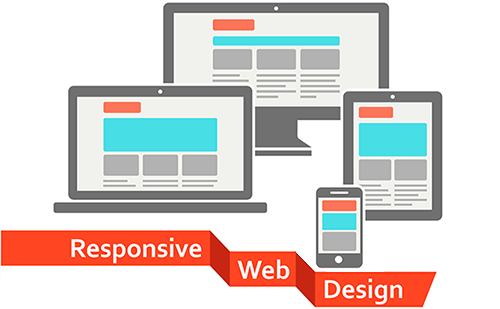
What a responsive website project should deliver
Most proposals list pages and a price. A better test is the list of things you will actually hold at the end. This table is that list, with the quickest way to check each one was delivered.
| Deliverable | What it is | How to check you got it |
|---|---|---|
| Page plan | A sitemap and a one-line purpose for each page, including where the enquiry form sits | You approved it in writing before design started |
| Phone-width designs | Mockups of the key pages at phone width, then at desktop width | You saw the phone version first, not a shrunken desktop page |
| Built pages | The live pages on your chosen platform, with your content entered | Every page opens on your own phone without sideways scrolling |
| Working forms | Enquiry, booking or quote forms that deliver to the right inbox or CRM | You sent a test enquiry from a phone and it arrived |
| Speed and accessibility pass | Compressed images, readable text, labelled form fields and keyboard access | The company shows you the results rather than just saying it was done |
| Launch setup | Redirects from old addresses, analytics, Google Search Console and a sitemap | Old links land on the right new page, not an error page |
| Handover | Domain, hosting and admin access in your name, the source files and a short training session | You can log in to everything without asking anyone |
If a proposal cannot say when each of these arrives, ask before signing. Our checklist on how to choose a website design company covers the questions to put to the company itself. This article is about the work you should receive.
What you should see at each stage
A responsive website project normally runs in five stages. Each one should end with something you can look at and approve, so problems surface while they are still cheap to change.
- Discovery. The company asks who visits, what they come to do and what counts as an enquiry. You receive the page plan.
- Design. The key pages are designed at phone width first, then widened. You review them on your own phone, not only on a large screen in a meeting.
- Build. Pages are built and your content goes in. You get a private preview link and time to click through it.
- Testing. Forms, speed and layout are checked across phones, tablets and desktops. You submit a real test enquiry yourself.
- Launch and handover. The site goes live with redirects in place, and every login moves into your name. You get a short walkthrough of how to edit your pages.
If you are unsure what the phone-width check involves, what responsive web design is and how to test for it explains it in plain terms. If you already have a site and are deciding whether to redo it at all, start with whether to fix, retrofit or rebuild a site that fails on a phone.
What is usually included, and what is usually extra
Quotes that look similar can cover very different amounts of work. The difference is almost always in the items below, which some companies include and others price separately.
| Item | Often included? | Question to ask |
|---|---|---|
| Copywriting | Often not: many quotes assume you supply the words | Who writes the page copy, and who edits it for the web? |
| Photography and images | Stock images sometimes, original photography rarely | Are the images licensed for commercial use, and in whose name? |
| Moving old content | Varies with the number of pages and posts | How many existing pages are carried over, and who checks them? |
| Redirects from old addresses | Should be, but often missed | Will every old address point to its new page? |
| Hosting and domain | Usually billed separately, and every year | Whose account is it in, and what does it cost to renew? |
| CRM and follow-up | Rarely, unless you ask | Where does an enquiry go after the form is submitted? |
| Changes after launch | Usually a separate plan | What does a change cost a month after the site goes live? |
None of these makes a quote bad. They make two quotes hard to compare until the answers are written down. We quote per project for the same reason: the price depends on which of these you need.
WordPress quotes carry two more items worth pinning down: whose name the plugin licences are in, and who applies the updates after launch. What to settle before hiring a WordPress web design company covers both.
Does the company need to be in the USA?
For most businesses, no. What matters is enough overlap in working hours to review designs quickly, a clear written scope, and a company that knows the expectations a US website is held to.
Accessibility is the main one. The US Department of Justice’s guidance on web accessibility under the ADA says businesses open to the public must make their websites accessible to people with disabilities, and names the Web Content Accessibility Guidelines (WCAG) as helpful technical standards. It does not set one detailed standard for businesses, so ask which WCAG level the company builds to and how it checks.
This is general information, not legal advice, so confirm your own obligations with a lawyer if accessibility carries legal risk for your business. Satvik Infotech works remotely with clients in the US and our other markets, and every stage above is reviewed online.
What AI changed about what you should expect
AI tools now produce first layouts, draft copy and working page code far faster than a few years ago. Turning a design file into a page is now largely assisted, as whether AI can turn a Figma design into a website explains.
That should change what you pay for. Less of a fair quote should go on drawing and slicing pages, and more on what AI does not decide for you: what each page is for, whether the forms reach the right person, and how fast someone replies.
If a company still quotes weeks for the first design round, ask what that time is spent on. The answer tells you whether you are paying for judgement or for work a tool now does.
The deliverable most quotes leave out
A website’s job is to turn a visitor into an enquiry, and the enquiry is where most projects stop. The form sends an email, the email sits in an inbox, and the reply goes out the next day, by which point the buyer has asked someone else.
That handoff is the part we build on purpose. Through CRM setup and management, a form submission becomes a contact with an instant reply and a follow-up that runs on its own, which is the idea behind replying to every enquiry in under five minutes.
It also changes how you judge the site afterwards. How to measure and fix your mobile conversion rate shows whether the new site is producing more enquiries, and what responsive design does and does not do for SEO covers the ranking side.
For custom features beyond a brochure site, see AI web and app development. For keeping the site fast and working after launch, see ongoing website maintenance, and for plain answers on cost and timelines, our answers page.
Common questions
What should a responsive website design package include?
A page plan, designs checked at phone width, the built and tested site, working forms, launch setup with redirects and analytics, and a handover of every login in your name. Copywriting, photography and CRM connection are often extra, so confirm them in writing.
How long does a responsive website take to build?
It depends on the number of pages, who supplies the content and how many integrations are involved. Waiting on content is the most common cause of delay, more than design or build. Ask for a schedule with a review date at the end of each stage.
Do I own my website when it is finished?
You should. The domain, hosting account, site admin and source files should all be in your name at handover. If any of them sit in the company’s account, ask for them to be transferred before the final payment.
Can a company outside the USA build a website for a US business?
Yes, and many do. What matters is overlap in working hours for reviews, a written scope, and knowing US expectations such as website accessibility under the ADA. Ask how they handle each before you start.
How much does a responsive website design company charge?
It varies widely with scope, which is why like-for-like comparison is hard. We quote per project once we know the pages, the content and the integrations involved. You can tell us what the site needs to do and get a scoped quote before committing to anything.